
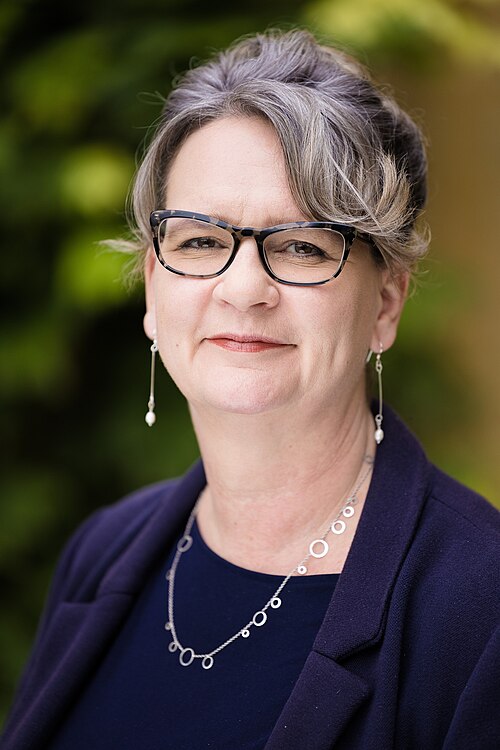
Speaker
Melinda Mills
Professor of Demography & Population Health
Director Leverhulme Centre for Demographic Science
University of Oxford and Nuffield College
Abstract
The scale and coverage of whole-population data linkage and emerging next-generation biobanks offers unique opportunities to advance multiple research domains. This talk first provides some applied examples where we linked whole-population hospital and birth administration records to uncover rare and new predictors of childlessness, and findings from family network and genetic linkage, and multigenerational family data. I then discuss our analysis of the latest December 2025 release of the ~2.5 Million person Our Future Health UK data, which strives to collect up to 5 Million. This new data resource includes survey, genotyped, proteomic and metabolic data linked to multiple sources including self-report diagnoses and medication intake, in- and out-patient visits, cancer registry and cause of death records. We assess how different data sources measure phenotypes and compare sociodemographic, lifestyle and health characteristics against UK Census, UK Biobank and related surveys to gauge participation bias. Some sociodemographic populations are underrepresented, prevalence of some self-reported conditions is higher, associations with known clinical correlates replicate across cohorts and medication-use patterns and cancer prevalence follow expected age-related gradients, with several notable differences (breast, prostate, lung cancer). The talk concludes with consideration of the influence of the timing of post-pandemic data collection and discusses the implications of participation bias focussing on challenges of introducing sampling weights, collider bias and generalisability of results.